
Can science decide penalties?
How to win soccer's most brutal test
Can science
decide penalties?
How to win soccer's most brutal test


The crowd roars in nervous anticipation. Nearly 90,000 fans pack the stadium, while 1.5 billion watch around the world. We could be talking about Germany's shock elimination from this year's World Cup...
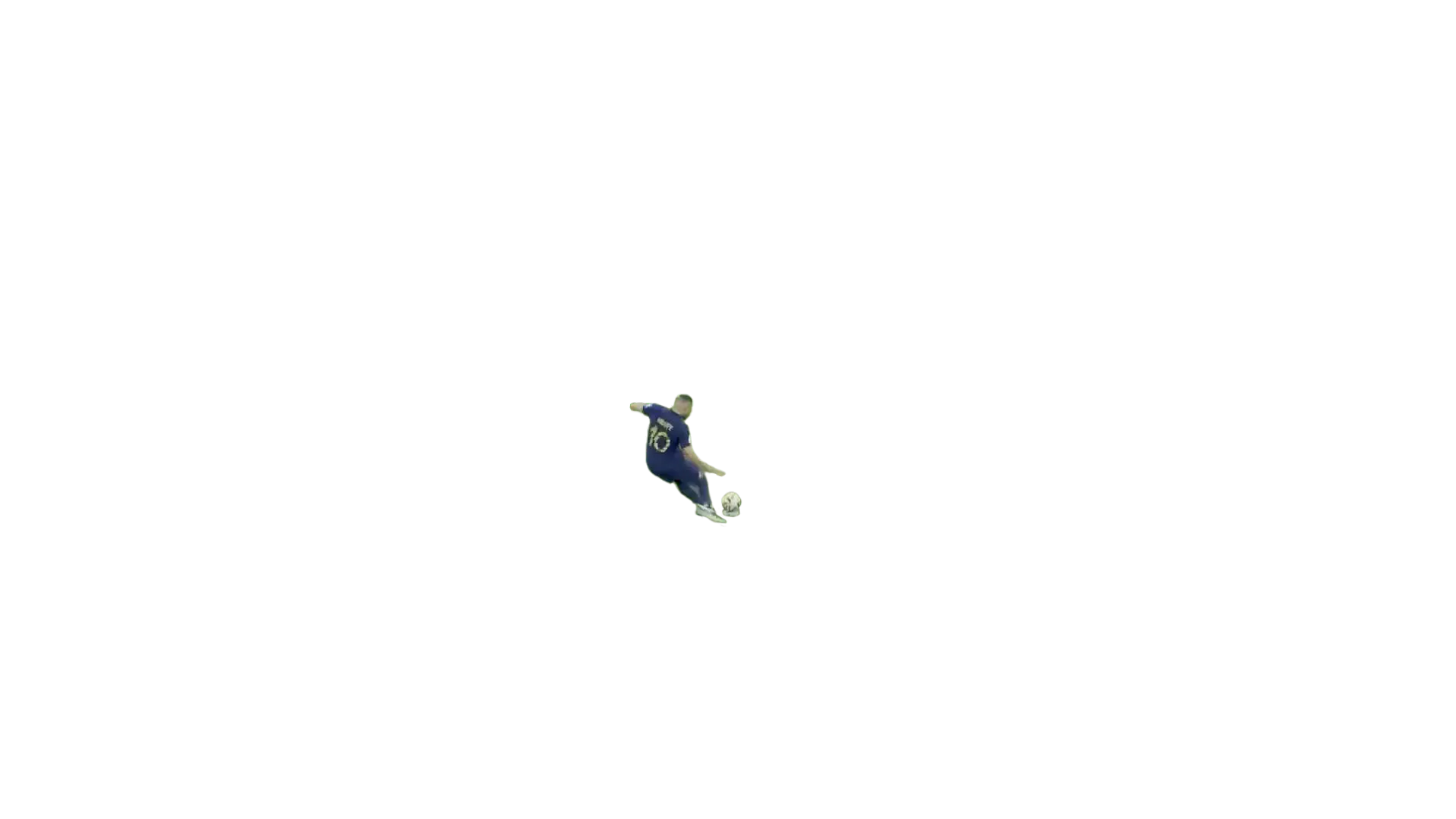
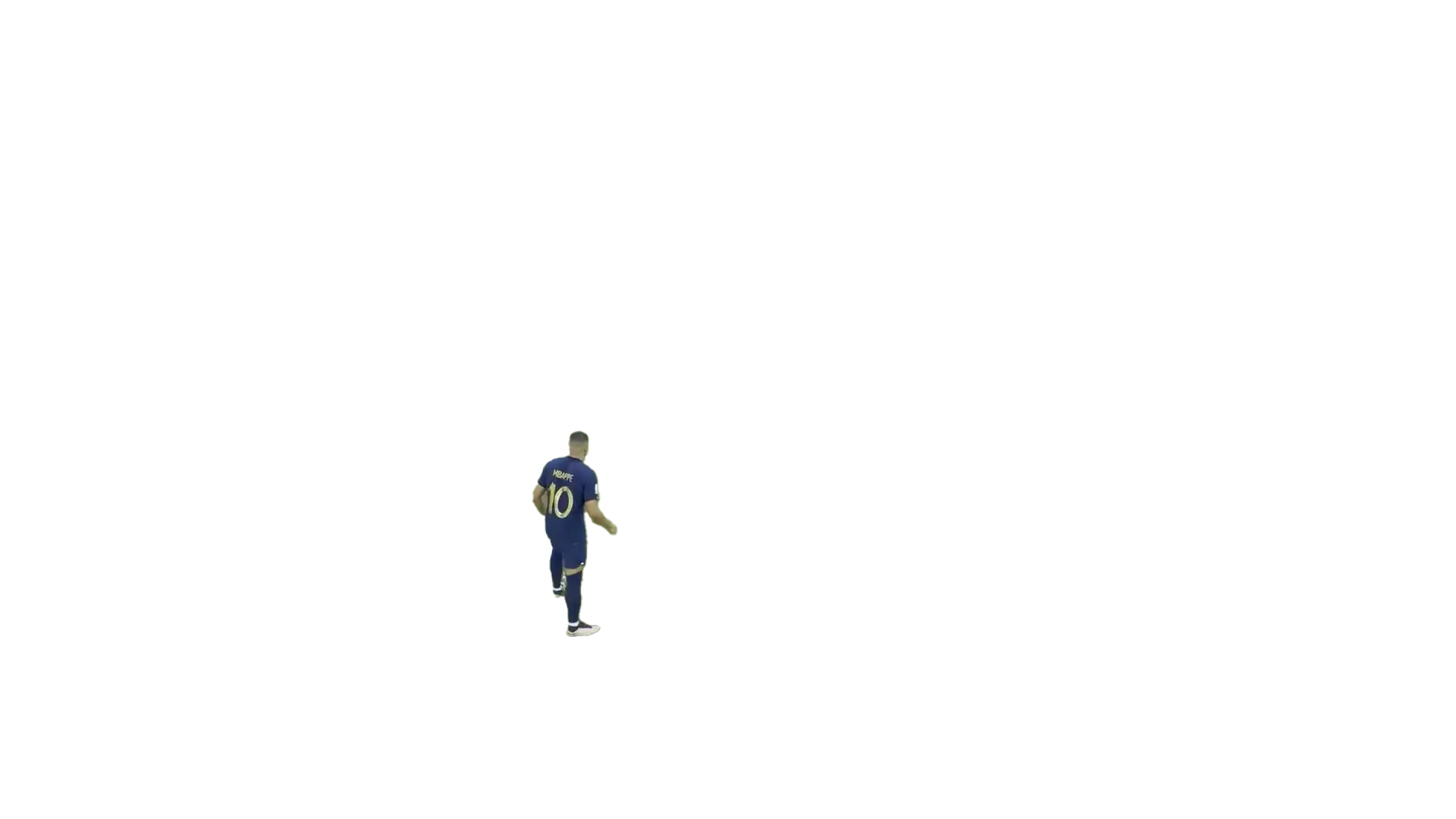
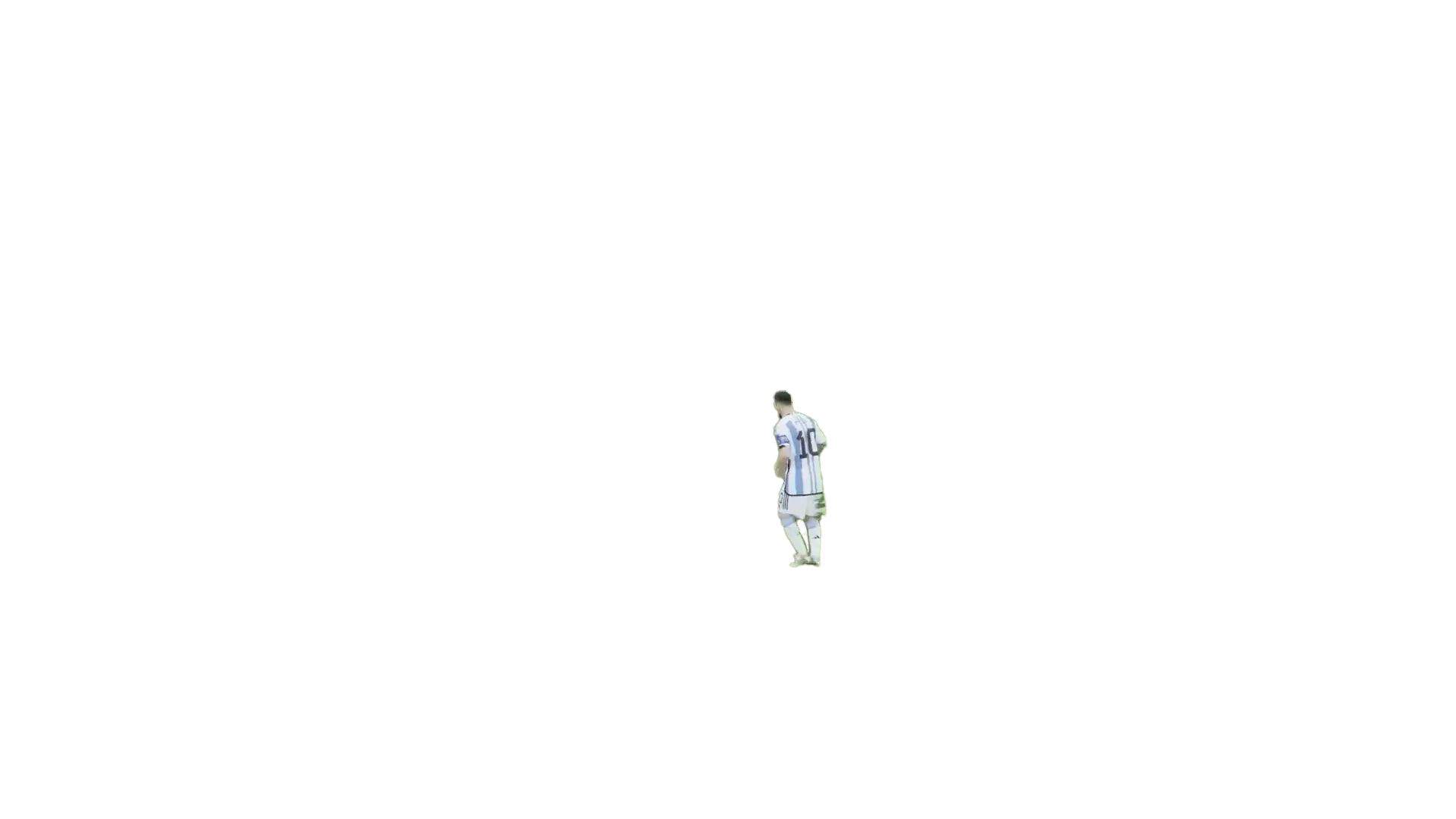
But it's 2022, Qatar: the World Cup final. Despite an incredible hat-trick from France's Kylian Mbappé and two goals from Argentina's Lionel Messi, the match ends in a draw.
The world champion will be decided by penalty shoot-out.



Few moments in sport produce emotions as intense as a penalty kick.
When a match goes to a penalty shoot-out, coaches face two decisions that can determine whether their team progresses or goes home: which five players should take the penalties, and in what order?
Both questions ask something that is surprisingly difficult to estimate: how likely each player is to score.
For the past decade, my colleagues and I have studied penalty kicks from the perspectives of biomechanics, psychology and mathematical modelling. With these tools we can start answering these difficult questions.
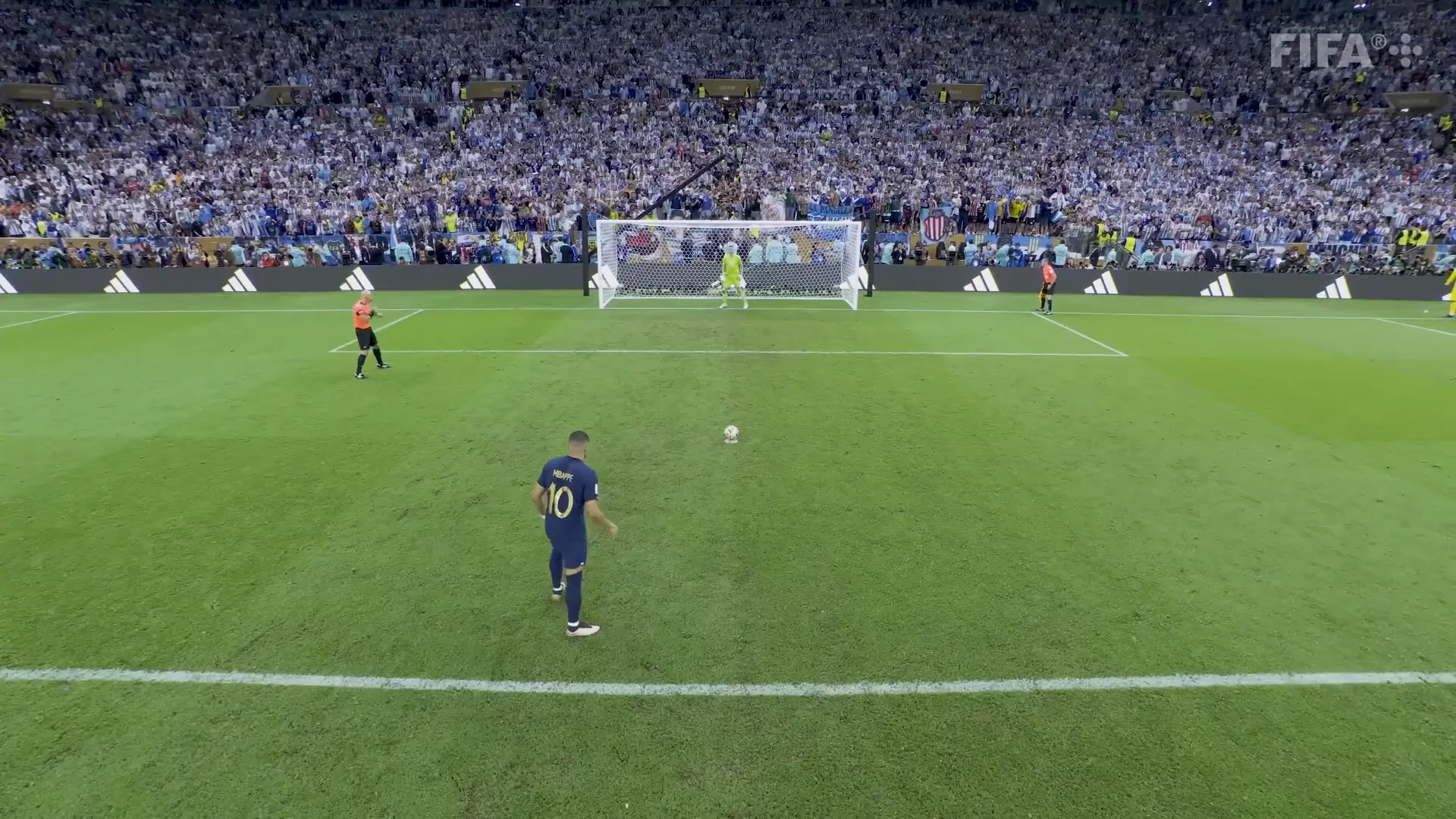
At first glance, a penalty appears simple: a one-on-one battle between a kicker and a goalkeeper, with the ball placed 12 yards (11 metres) from the goal line.
The 2022 final between Argentina and France was no different. As Mbappé prepared to take the first kick, he faced three interconnected decisions: where to aim, how hard to strike the ball and whether to use deception. Each decision influences the others.
A harder shot gives the goalkeeper less time to react but it also becomes more difficult for the kicker to control: a harder kick increases variability – the ball becomes less likely to finish exactly where the player intends. Aiming close to the post may make the shot harder to save but it also increases the risk of missing the goal entirely.
The goalkeeper is simultaneously trying to solve a different problem. They are searching for clues in the player's movement that reveal where the ball is likely to go.
Players can attempt to disguise their intentions. If successful, deception can send the goalkeeper diving in the wrong direction.
But deception can reduce kicking speed and decrease accuracy. Our research has found these trade-offs differ substantially from player to player.
So back to that question, who do you pick?
To answer that we first need to understand each player’s probability of success under different conditions.
But there's another problem: most players take surprisingly few penalties, which makes it extremely difficult to estimate how good they actually are.
As a result, coaches often rely on the vibe, more than evidence: they may look at reputation, confidence, seniority or limited historical records to assess their players penalty-taking ability.
And great players do not necessarily make great penalty takers. Messi’s career penalty conversion rate across all club and international games is around 78%, while Portuguese superstar Cristiano Ronaldo’s is about 82%. By comparison, lesser-known England striker Ivan Toney has converted about 93% of his penalties.
Ivan Toney of England scores during the penalty shoot-out at the UEFA EURO 2024 quarter-final match against Switzerland. Photo: Getty Images
Ivan Toney of England scores during the penalty shoot-out at the UEFA EURO 2024 quarter-final match against Switzerland. Photo: Getty Images
Teams are beginning to recognise the importance of this information. England’s willingness to keep specialist penalty takers such as Toney available late in matches reflects a growing appreciation that penalty shoot-outs can be prepared for rather than simply endured.
So, how do you choose the players? Look at the player's track record in penalty shoot-outs, rather than their regular ability. How a player uses aim, power and deception can make the difference.
Now to the second of those big questions: the order of the players.
Conventional wisdom often focuses on whether a team’s best penalty taker should shoot first, last or somewhere in between.
That's because penalty shoot-outs are not simply collections of identical kicks. They are dynamic contests in which the psychological stakes change from one kick to the next. A player may be stepping forward knowing a goal will immediately win the shoot-out. Another may know a miss will immediately eliminate their team.
Analysing hundreds of penalties from FIFA World Cups and UEFA European Championships, that pressure really counts.
Conversion rates approached 90% when players were kicking to win the shoot-out.
In contrast, success rates fell to around 60% when players were kicking to avoid immediate elimination.
This finding also helps explain one of soccer’s longest-running debates: whether there is an advantage to shooting first (the order is decided by a referee’s coin toss). Teams kicking second face more pressure: a win or loss will be decided on their shot.
This changes how we should think about shoot-out strategy.
The question is no longer simply “who are my best penalty takers”? It becomes “which players are most likely to succeed in the situations they are most likely to face?”
Should the most reliable player take the opening penalty? Should the most pressure-resistant player be saved for a potential shoot-to-win opportunity later in the contest? The answer depends on the characteristics of the players available: our recent research suggests there is no universally correct answer.
Our simulations show identifying the relative ability of penalty takers and deploying them strategically can increase a team’s probability of winning by around 10–15% compared with a team that relies on intuition or guesswork.
The challenge is, these decisions depend on information that is rarely collected or analysed.
Watching Germany's shock elimination from the World Cup in a penalty shoot out brings this into sharp focus.
Penalty shoot outs may be remembered for a moment of brilliance like Argentina goalkeeper Emiliano Martínez in 2022, which helped secure the World Cup title, or a moment of heartbreak like Italian Roberto Baggio’s miss in the 1994 World Cup final.
But behind these moments lies a deeper question. Did either team actually know the numbers?
Disclosures
Robbie Wilson does not work for, consult, own shares in or receive funding from any company or organisation that would benefit from this article, and has disclosed no relevant affiliations beyond their academic appointment.
Professor, School of the Environment, The University of Queensland
Editorial production
 The Conversation Digital Storytelling Team
Development and design
Sport + Society Editor
 Matt Garrow
Editorial Web Developer
 Ashlynne McGhee
Head of Editorial Innovation
Images
Grid of images:
Frank Augstein (AP Photo), Petr David Josek (AP Photo), Rodrigo Abd (AP Photo), Ronald Wittek (EPA), Emilio Morenatti (AP Photo), Gustavo Garello (AP Photo), Natacha Pisarenko (AP Photo), Hassan Ammar (AP Photo), Manu Fernandez (AP Photo), Matilde Campodonico (AP Photo), Daniel Cole (AP Photo), Aurelien Morissard (AP Photo), Andrea Comas (AP Photo), Christophe Ena (AP Photo)
Argentina vs France 2022 FIFA World Cup images: FIFA
 Built with Shorthand